The idea to share the books I’ve read came from a friend who regularly posts about the books he reads, and it has given me many great ideas for books I want to read. My list may inspire you to read some of what I’ve read this month, or just to read in general.
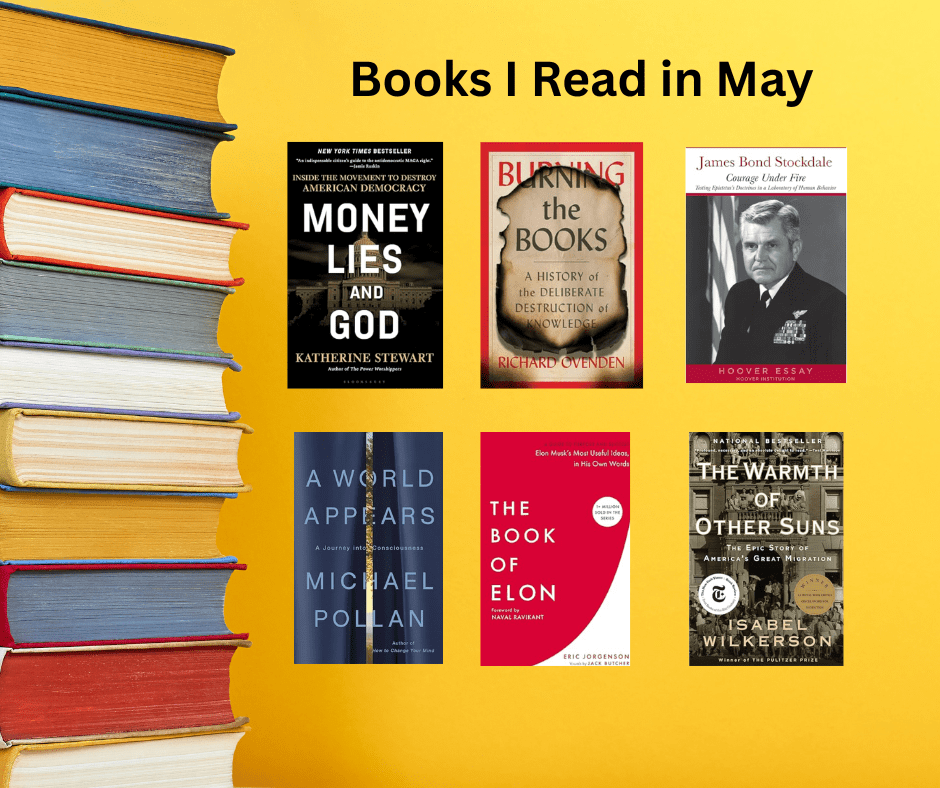
This month I read three somewhat depressing books, but they are worth your investigation if you are interested in the preservation of American democracy, knowledge, and civil rights. The other three were much more fun.
NOTE: If you click on the title or book image, you can see the notes that I’ve taken on each book.
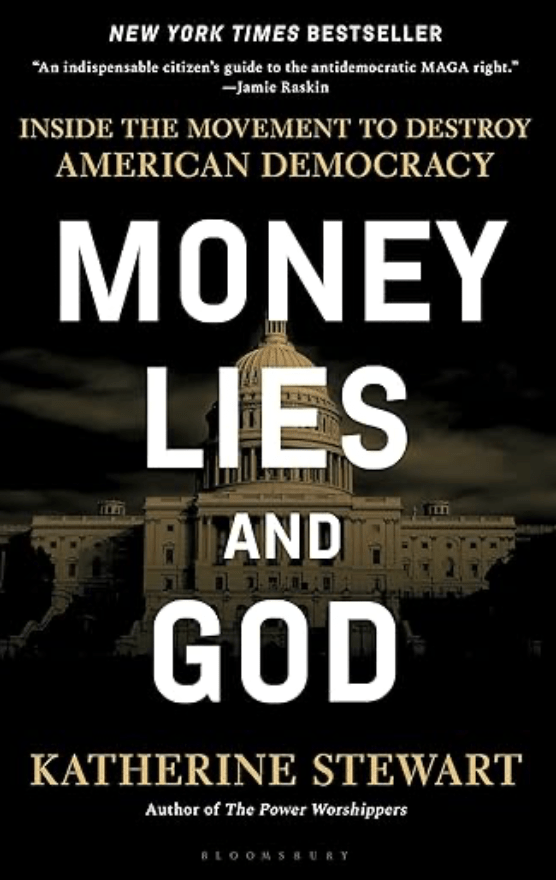
Money, Lies, and God: Inside The Movement To Destroy American Democracy
In her book, Katherine Stewart argues that a growing political movement threatens American democracy from within. She says this movement combines wealth, religion, media power, and political anger into a single force. The book claims this effort is not mainly about faith. It is about power and control. Stewart explains how wealthy donors, political thinkers, activists, and media figures work together toward shared goals. She describes Christian nationalism as a political identity rather than a true religious movement. The book says this ideology pushes fear, grievance, and division to gain support. Stewart believes growing wealth gaps and social stress helped create anger and distrust across the country.
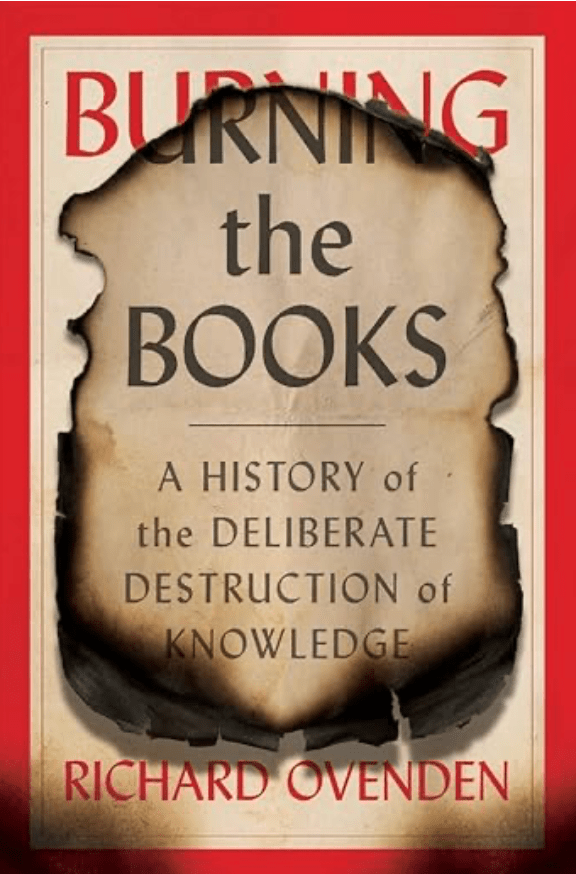
Burning The Books: A History of the Deliberate Destruction of Knowledge
People who love libraries and books will enjoy “Burning the Books: A History of the Deliberate Destruction of Knowledge,” by Richard Ovenden, even as they are frustrated by the history he shares. This is not a book about the current conservative movement to ban books from schools or public libraries. Rather, it reminds us that banning (or even burning them) is not new. The author writes, “knowledge is still under attack. Organized bodies of knowledge are being attacked today, as they have been attacked throughout history.”

Courage Under Fire: Testing Epictetus’s Doctrines in a Laboratory of Human Behavior
James Stockdale was a US Navy Vice Admiral, a Medal of Honor recipient for his leadership as a POW during the Vietnam War. He also considered himself a follower of the Stoic philosophy. This book blends Stoic thought with his experiences in war and prison life. Stockdale explains how the teachings of Epictetus helped him survive years as a prisoner in North Vietnam. He shows that Stoicism is not cold or detached. It is a way to guard your inner life when outside events turn cruel and unfair. Great book.
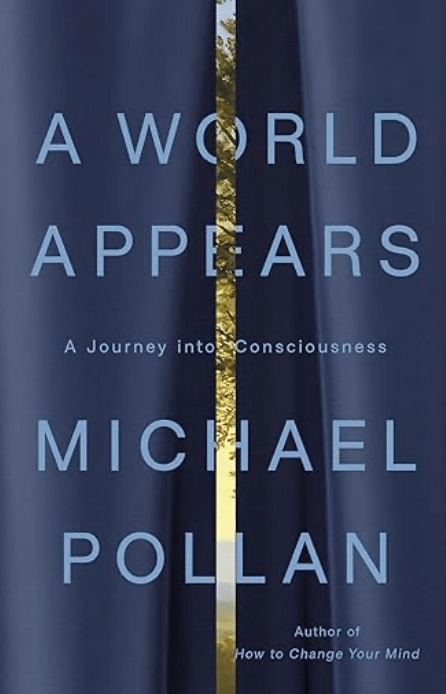
A World Appears: A Journey Into Consciousness
Have you ever thought about your own consciousness? Our inner voice and thought process is different from those who observe us. They have their own consciousness. Despite that being a topic most of us have thought about, we know very little about our conscious thought.
People understand the brain’s physical parts, yet awareness remains unclear. In A World Appears, Michael Pollan studies the issue. He does not pretend to have all the answers. Instead, he guides readers through major theories about the mind and human awareness.
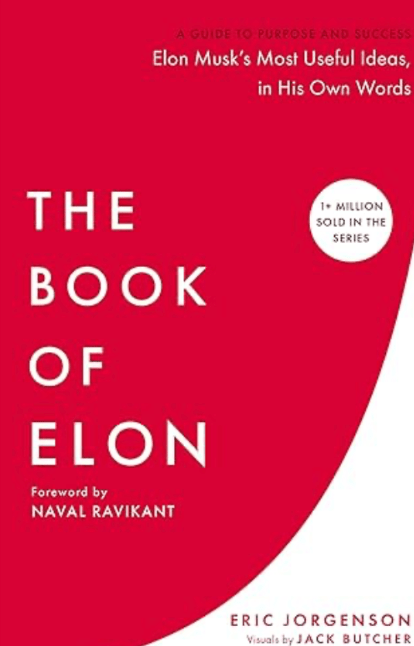
The Book of Elon: A Guide to Purpose and Success pulls together the ideas and habits that drive Elon Musk. Author Eric Jorgenson used Musk’s own talks, interviews, and writings instead of writing a traditional biography. It doesn’t mention Musk’s alignment with President Trump or his efforts to eliminate federal departments and employees.
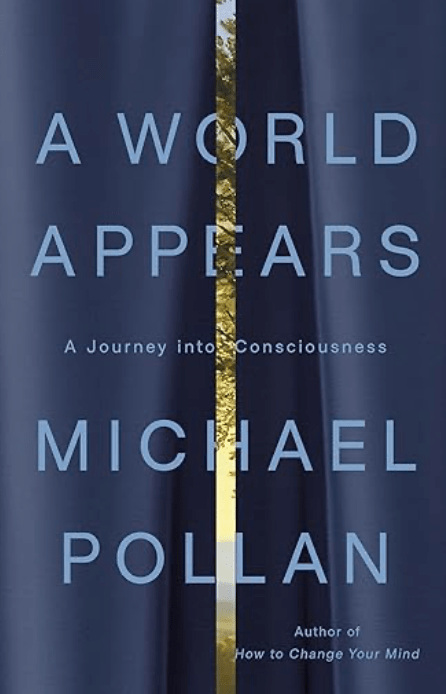
A World Appears: A Journey Into Consciousness
Have you ever thought about your own consciousness? Our inner voice and thought process is different from those who observe us. They have their own consciousness. Despite that being a topic most of us have thought about, we know very little about our conscious thought.
People understand the brain’s physical parts, yet awareness remains unclear. In A World Appears, Michael Pollan studies the issue. He does not pretend to have all the answers. Instead, he guides readers through major theories about the mind and human awareness.
I remember more when I take notes. That’s why I started writing summaries of the books I’ve read. Perhaps you might find them helpful. You can see a list of the books I’ve read in the last couple of years, along with links to my summaries, on my Book Notes page.
 Dave Edwards Media
One response to “Books I Read In May”
Okay I’ll try this again. I believe I lost my unfinished comments so some of this may be repetitive.
The Pollan book seems way too deep for me. Reading is, after all a recreational activity and that doesn’t seem like fun to me. Never was one for introspection after all. I seem to prefer wallowing.
the Stewart book is going to move to the top of my acquisitions list. Looks like she has managed to put a lot of the issues that concern me into a coherent package. I ramble too much and really appreciate folks who can tie things together.
you read a book about Musk? I’m to full of loathing for the man to look for any bright spots. Like Trump he was born on third and thinks he hit a triple.
I overdose of history and the book burning story appeals to me just like reading about the other horrors of the past. Why, because they fill me with hope. No matter how horrid the past we have survived so ta da.
thanks for sharing. My to be read pile gets bigger. Always a good thing!
LikeLike