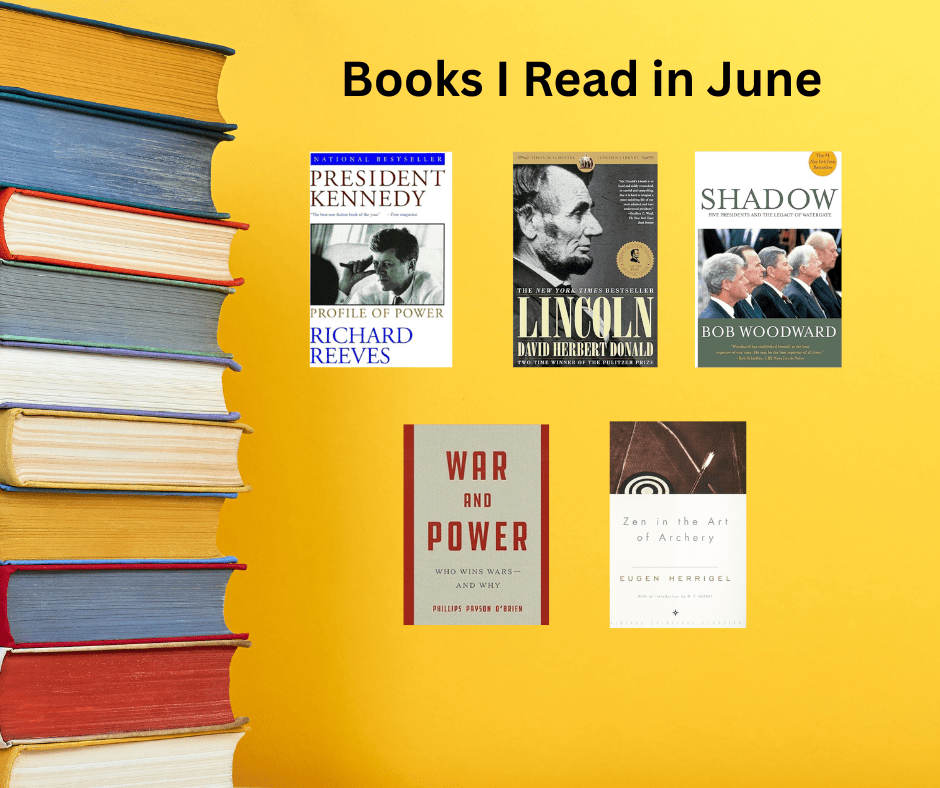
Normally, in the summertime, most people read light, easy-to-read books, but I started the summer by focusing on longer historical and political books, and I don’t regret it at all.
NOTE: If you click on the title or book image, you can see the notes that I’ve taken on each book.
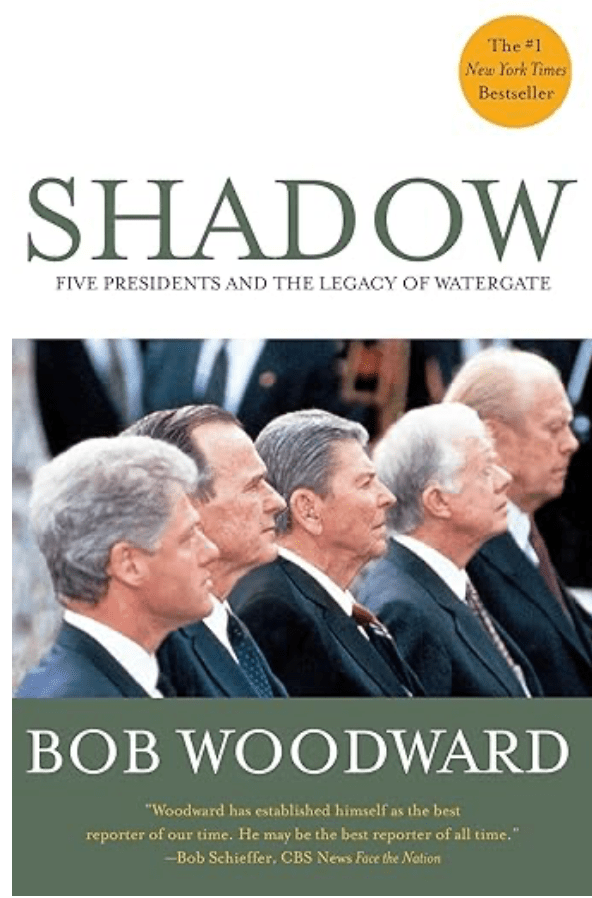
Shadow: Five Presidents and the Legacy of Watergate
Author and journalist Bob Woodward has a long history of investigating and chronicling important political events. In Shadow, he argues that every president after Richard Nixon governed under the lasting impact of Watergate. Woodward traces how the scandal changed politics, journalism, and public trust for decades. He examines the administrations of Gerald Ford, Jimmy Carter, Ronald Reagan, George H. W. Bush, and Bill Clinton, showing how each faced investigations, accusations, and growing public suspicion. The book suggests that Watergate created a culture in which scandals became a constant part of presidential life and in which the media, Congress, prosecutors, and political opponents played larger roles in shaping public opinion.
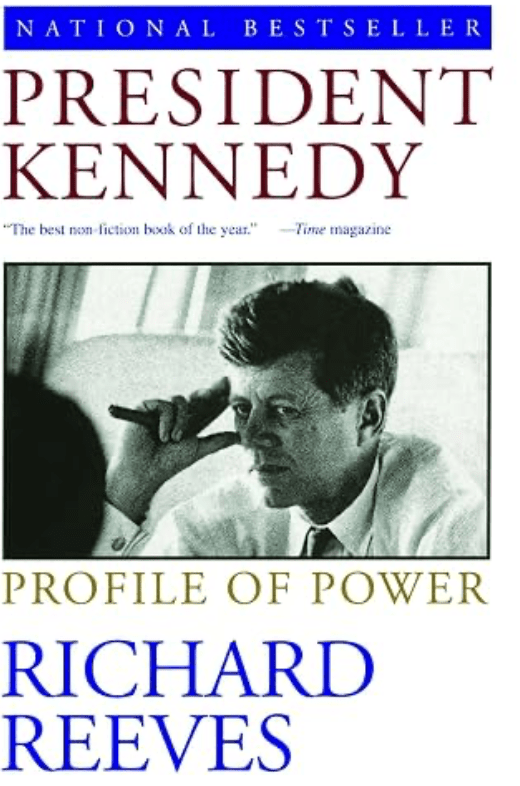
John F. Kennedy: Profile of Power
Richard Reeves presents President John F. Kennedy as a driven and highly skilled politician whose ambition shaped both his rise and his presidency. Rather than offering a traditional life story, the book follows Kennedy through his years in office, showing how he handled crises, made decisions, and exercised power. Reeves portrays Kennedy as a leader who preferred informal channels, relied heavily on his own judgment, and kept authority centered on himself. He often delayed decisions until necessary, then usually selected the least extreme option. Kennedy valued flexibility and secrecy, believing that disorder often produced better results than rigid systems. At the same time, he carefully managed his public image, concealing serious health problems while projecting energy and confidence. The book shows a president who was politically gifted, intensely competitive, and always aware of public opinion and political consequences.
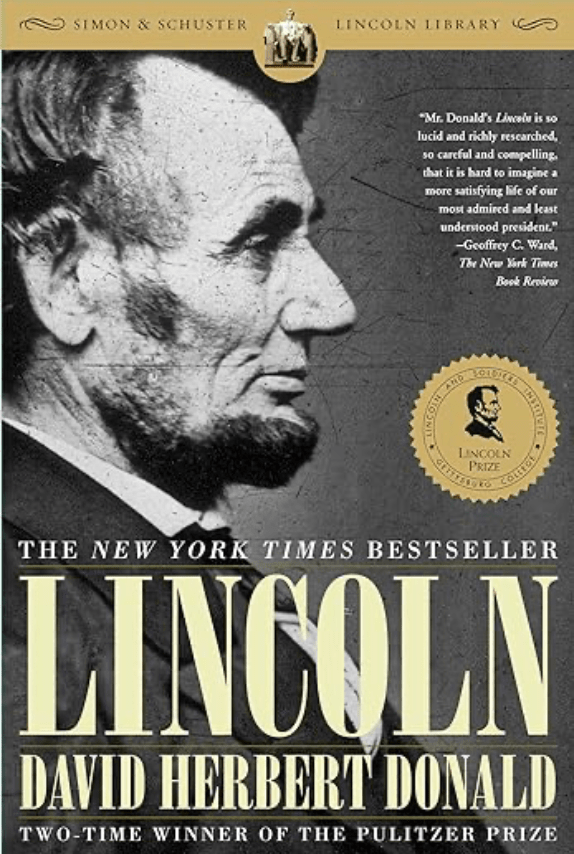
Abraham Lincoln rose from a modest frontier childhood to become one of the most important leaders in American history. David Herbert Donald presents Lincoln as a thoughtful and often cautious man whose life was shaped by hard work, self-education, and a belief in his own abilities. In the preface, the author says that “this is a biography written from Lincoln’s point of view, using the information and ideas that were available to him. It seeks to explain rather than to judge.” He writes, “this biography highlights a basic trait of character evident throughout Lincoln’s life: the essential passivity of his nature.”
War and Power challenges the common belief that military strength alone determines success in war. Phillips Payson O’Brien argues that nations are often judged by the size of their armies, the advanced weapons they possess, and their battlefield performance, yet these measures can be misleading. He shows that military power is only one part of a much larger system. Economic strength, technology, political stability, leadership, social unity, industrial capacity, and strong alliances often matter more than the number of soldiers or weapons a country possesses.

Zen In The Art of Archery tells the story of Eugen Herrigel’s study of Japanese archery and the deeper lessons hidden within the practice. What begins as an effort to learn a skill becomes a lesson in self-mastery and inner growth. Herrigel arrives in Japan expecting that success will come through effort, control, and careful thought. His teacher challenges those beliefs and teaches him that true mastery comes when the mind stops forcing results. Through years of practice, Herrigel learns that the goal is not simply hitting a target. The greater aim is letting go of ego, fear, and the need to control outcomes. Breathing, patience, and calm attention become as important as physical technique.
I remember more when I take notes. That’s why I started writing summaries of the books I’ve read. Perhaps you might find them helpful. You can see a list of the books I’ve read in the last couple of years, along with links to my summaries, on my Book Notes page.