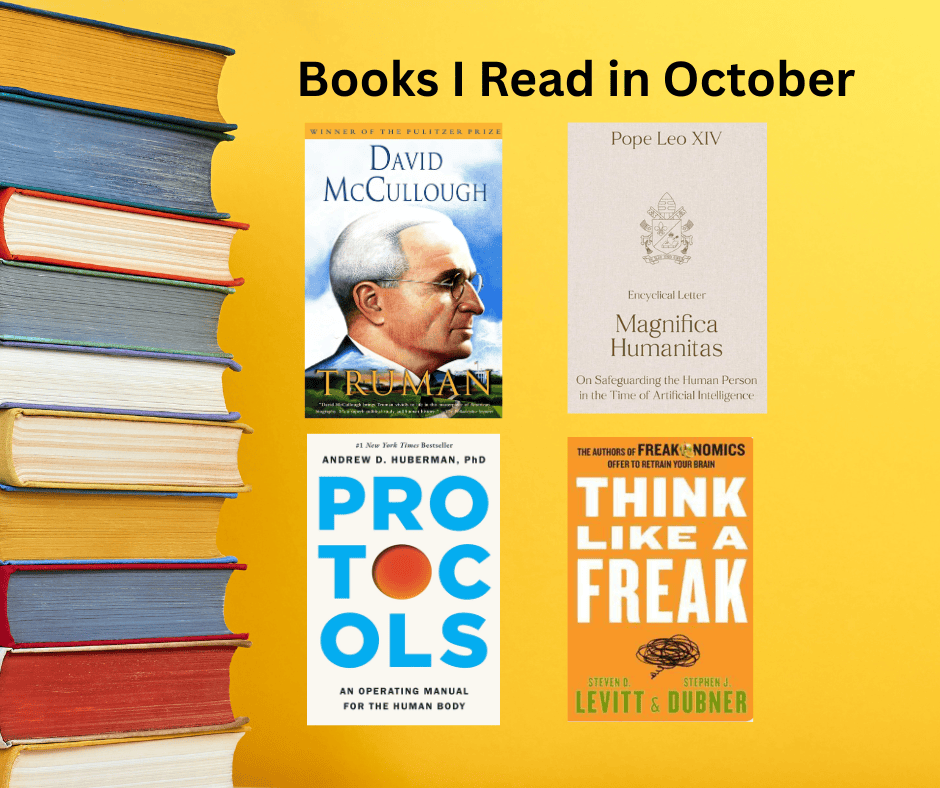
I read books on quite a variety of subjects: from a wonderful biography of President Harry Truman and Pope Leo’s encyclical on artificial intelligence (both of which I highly recommend to books on the human body and a different approach to the decisions we make (that I wouldn’t recommend). But as I always say, your mileage may vary.
If you follow the links in each title you will find my detailed notes on the book. When I write summaries of what I read, I tend to remember more lessons from the author.
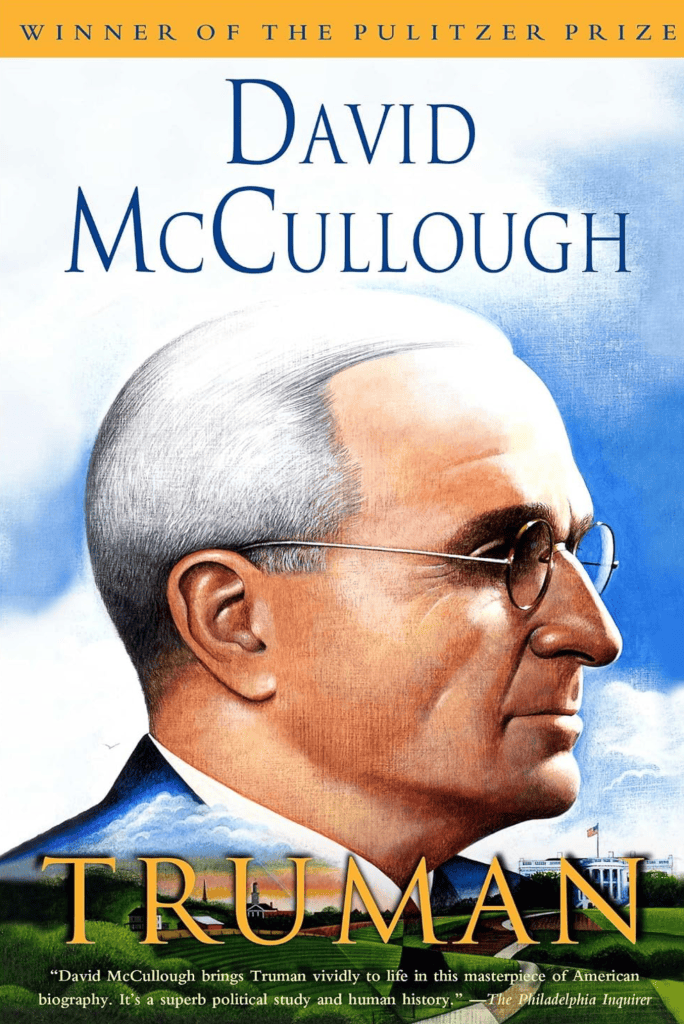
David McCollough
David McCullough’s Truman tells the story of Harry Truman, from his childhood in Missouri to his years as president and his life after leaving the White House. You can’t go wrong with a McCollough biography, and this one is no exception.
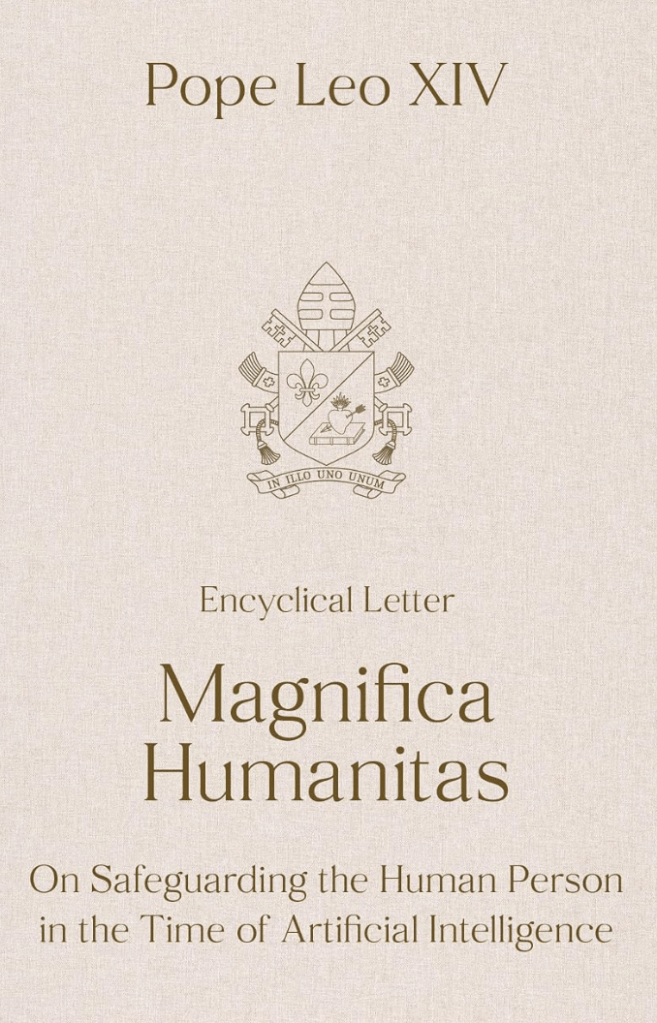
Pope Leo XIV
Leaders of the Catholic Church have periodically issued encyclicals on various religious and social issues. In a more than 40,000-word document, Pope Leo addresses the future of artificial intelligence and suggests the Church and others should pay attention to its ramifications. His recommendations make a lot of sense.
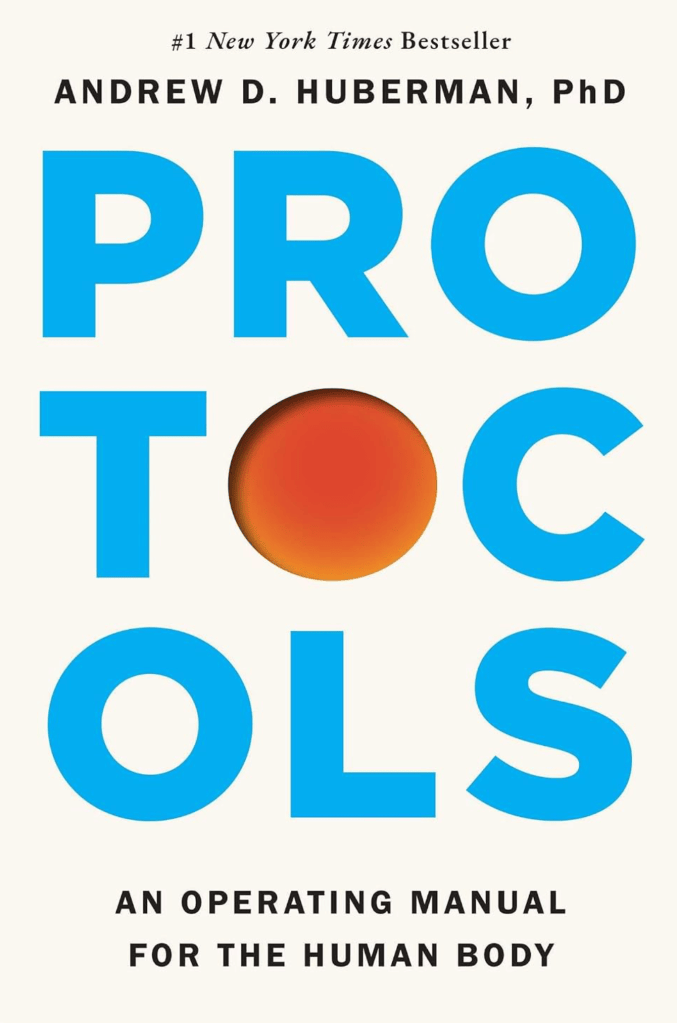
Protocols: An Operating Manual for the Human Body
Andrew D. Huberman
Andrew Huberman’s book, “Protocols: An Operating Manual For The Human Body,” offers practical methods to improve health, energy levels, sleep, fitness, and mental well-being. His central argument is that small daily habits can help your brain and body function more efficiently. He explains how these habits affect the body and why that matters. I didn’t really anything from this book.
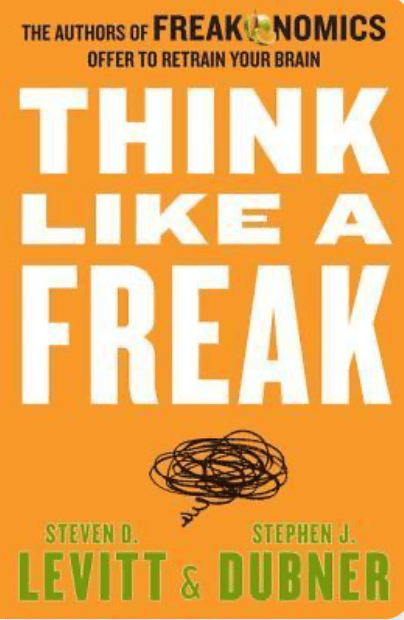
Steven Levitt and Stephen Dubner
Steven D. Levitt and Stephen J. Dubner’s Think Like a Freak teaches a practical way to solve problems and make better decisions. I was gifted the book. It’s what I call an “airport book.” It’s the kind of book travelers might pick up and read on a flight. Nothing heavy, but inspirational to anyone needing to feel more in control of their life.
Here are more summaries of books I’ve read.
By the way, no one pays me to read or review books.

