
Everyone tends to think the same way if you work for an accounting firm. But when you work at a public media station, you encounter both right-brained and left-brained individuals. That can only create challenges if you don’t know how to appeal to everyone’s strengths.
Right-brained employees are creative, curious, and like to innovate. They work as your producers and as on-air talent.
Left-brained individuals are linear thinkers; they are good at math and like an ordered life. They are the accountants at your station.
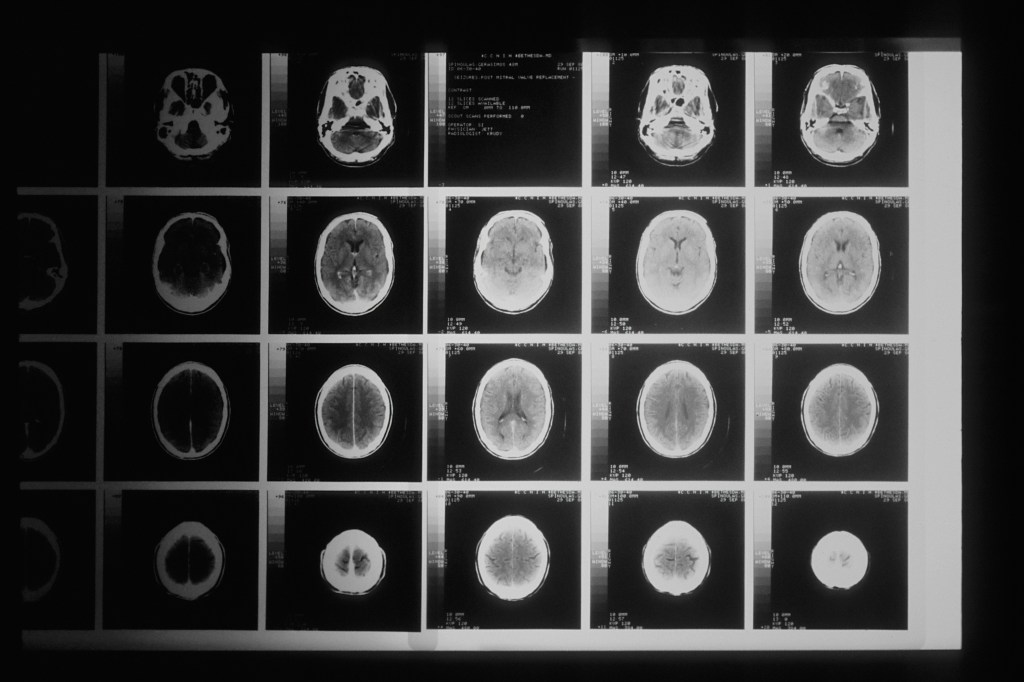
This kind of thinking was popular in the 1960s when psychobiologist and Nobel Prize winner Roger W. Sperry published his research on how the brain works. He found that the two hemispheres of the brain function in different ways. In some individuals, the right part of the brain is dominant, while the left part of the brain is dominant in others. Some neuroscientists disagree, noting that both hemispheres work together.
But on the job, you will likely see behaviors supporting Sperry’s research. For a productive workplace, right and left-brained staff members must work together and get along.
It helps if you understand how both types of people think and work.
Right-brained individuals, often labeled as “reality thinkers,” face difficulties when communicating with left-brained colleagues or supervisors. A scenario is presented where a right-brained employee struggles to interpret vague instructions, leading to frustration and potential workplace issues.
Johann D’Souza, a clinical psychologist, suggests a hack to harmonize the collaborative powers of both brain hemispheres. By starting with the purpose (right brain) and then setting up concrete steps (left brain), individuals can achieve a balance between strategy and execution. This approach enhances productivity, reduces burnout, and increases personal fulfillment.
Consider these strategies if you face this kind of conflict at your public media station.
Encourage employees to take a personality quiz to help them understand their strengths and abilities.
Create teams including both right and left-brained individuals. Now, you benefit from having more analytical and creative types working on problems or projects. Managers need to make it clear that working together is not an option.
Communicate with all employees with an appreciation for what motivates them and what they need to work effectively.
Focus on tasks that demand a combination of left and right brain skills, promoting seamless collaboration between the hemispheres.
Dave Edwards managed WUWM Milwaukee Public Radio for more than 30 years and served as Chair of the NPR Board of Directors. He now advises public media stations and professionals. Find out more HERE.
In the next decade, a new generation of individuals will become leaders of public media outlets throughout the country. The PUBLIC MEDIA MANAGER HANDBOOK is designed to help prepare individuals, including those who have recently become managers in the industry, to take on this responsibility. Find out more HERE.
 Dave Edwards Media