Book Notes
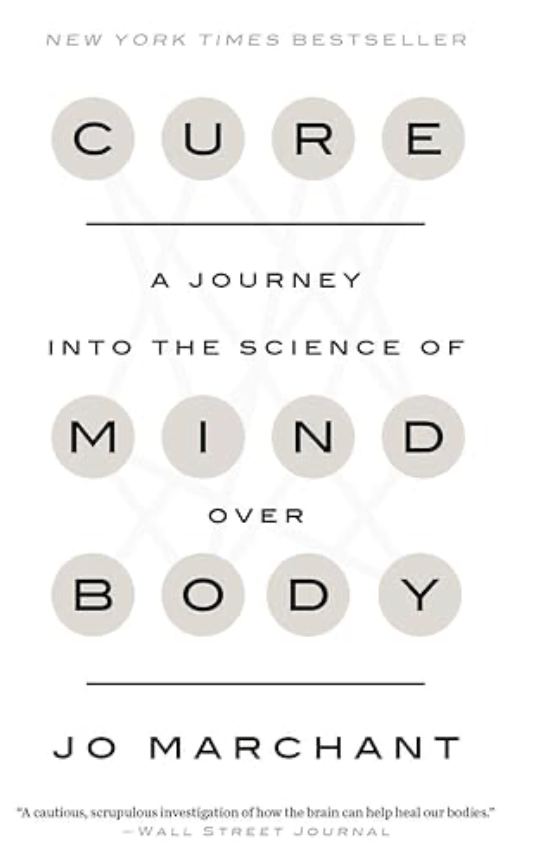
Cure: The Journey Into The Science of Mind Over Body
Jo Marchant
2017 – Crown – 320 pages
Dave’s Summary
The book Cure explores how the mind shapes our health and recovery. It challenges the idea that medicine should treat only the body. Many doctors view the body like a machine. In that view, thoughts and emotions play little role in treatment. The book asks a simple question. What if the mind affects health more than we once believed?
The placebo effect offers a clear example of the mind at work. Patients sometimes improve after taking fake treatments. At first, many doctors thought this was simple trickery or wishful thinking. Research shows something deeper is happening. The brain can release its own natural painkillers when a person expects relief. These chemicals act much like strong drugs. The improvement people feel is real, not imagined.
Still, placebos have limits. They often help symptoms we can feel, like pain or fatigue. They rarely change the deeper disease causes. A placebo cannot replace insulin for someone with diabetes. It cannot grow a missing limb. The body can only use the tools it already has. Belief can guide those tools, but it cannot create new ones.
The book also shows how care and trust shape healing. When people feel safe and supported, their bodies react differently. Pain can drop. Stress falls. The immune system works better. Even simple actions from a doctor can matter. Kind words or calm attention can change how a patient feels and responds to care.
Other methods also tap the mind’s power. Hypnosis, for example, can help some people manage gut pain. Studies show strong results for many patients with irritable bowel syndrome. These tools do not replace standard care. They work best when used along with it. The goal is a balance between mind and body.
The book reminds me that healing involves more than pills and tests. Our beliefs, stress, and sense of control all shape how we feel. Medicine grows stronger when it studies these forces instead of ignoring them. The mind will never cure every illness. Still, it remains one of the most powerful tools we have.
Top Takeaways
- The mind and body work as one system. Thoughts and beliefs can shape how we feel.
- The placebo effect shows belief can trigger real physical changes in the body.
- The brain can release natural painkillers, like endorphins, when we expect relief.
- Placebos work best on symptoms we can feel, such as pain, fatigue, or anxiety.
- Belief cannot cure every illness. The body can only use tools it already has.
- Feeling safe, cared for, and in control helps the body heal more effectively.
- The doctor-patient relationship can influence recovery through trust and empathy.
- The mind can also cause harm. Negative expectations can create real symptoms.
- Methods like hypnosis can help some patients manage pain and gut disorders.
- The best care blends standard medicine with insight about how the mind affects health.
Memorable Highlights
One approach to harnessing placebo effects, then, is to boost the placebo effect associated with the active drugs we take. One problem with placebos is that they don’t work well on everyone (for reasons we’ll look at later in this chapter). But there are ways of designing drugs to trigger larger placebo responses in more people. Studies suggest that anything that helps to create the impression of a powerful, potent medication will produce a stronger effect.
Big pills tend to be more effective than small ones, for example. Two pills at once work better than one. A pill with a recognizable brand name stamped across the front is more effective than one without. Colored pills tend to work better than white ones, although which color is best depends upon the effect that you are trying to create. Blue tends to help sleep, whereas red is good for relieving pain. Green pills work best for anxiety.
Recent brain-scanning studies suggest, however, that something significant does happen in the brain when we are hypnotized. One example actions our unconscious brain can comply with suggestions without our conscious self knowing. We probably flit in and out of hypnotic states all the time. Have you ever driven from one place to another, and realized when you arrived that you couldn’t remember anything about your journey?
Read more of my book summaries HERE
Purchase the book here and I will receive a small commission at no extra cost to you. But, by doing this, you help support my reading habit! Also, I do not get paid to read or review books. All of the books I summarize were either purchased by me or borrowed from my local library.
 Dave Edwards Media