
Book Notes
Bushido: The Samurai Code of Japan
Inazo Nitobe
2019 – Tuttle Publishing – 192 pages
Dave’s Summary
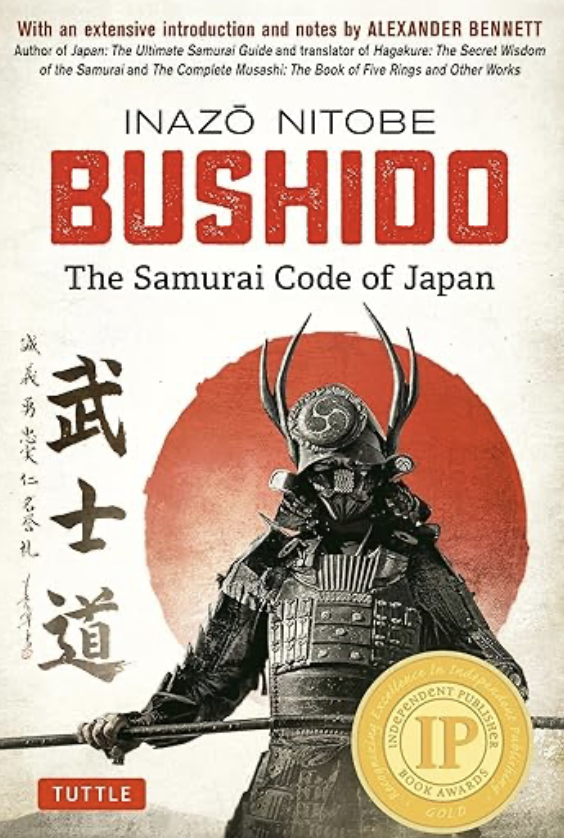
I loved this book. So many life lessons.
“Bushido: The Samurai Code of Japan” explains the values and way of life that guided Japan’s samurai class. Written by Inazo Nitobe, the book shows how samurai lived by a strict moral code called Bushido. This code stressed honesty, courage, loyalty, and respect. It was not written down but passed through actions, stories, and sayings. Even without Christian roots, Nitobe showed how Bushido had values close to Western ideas of honor. The samurai aimed to do what was right, even when it meant death. They believed in standing firm, showing mercy, and being polite—not just to follow rules, but to show care for others.
Nitobe wrote the book in English to help Westerners understand Japan. At the time, Japan was growing fast and learning from the West. Yet, many still valued the samurai spirit. During the 20th century, Bushido became a symbol of Japanese pride and strength, especially after Japan’s success in war and business. People saw it as the hidden force behind Japan’s rise. Today, Nitobe’s book is still read and praised. It helped shape modern views of Japanese character and ethics. His work made Bushido a lasting part of Japan’s identity, both at home and abroad.
The book outlines several key principles of Bushido. Rectitude (justice) was the foundation of a samurai’s decisions, ensuring fairness and integrity. Courage was not just about bravery in battle but also about standing up for what was right. Benevolence and compassion encouraged samurai to use their power wisely, helping others when needed. Politeness was seen as a way to show respect and maintain harmony. Honesty and sincerity were crucial—samurai avoided deceit and valued truth. Honor was deeply personal, and a samurai’s reputation mattered more than life itself. Finally, loyalty to one’s master and family was absolute. These values defined the samurai and, according to Nitobe, influenced Japan’s moral outlook even after the samurai era ended.
Ten Key Takeways From The Book
- Rectitude (Justice): The ability to make moral decisions and act rightly, even when it is difficult. This is the backbone of the samurai’s code.
- Courage: Not reckless daring, but bravery guided by reason and moral judgment. True courage includes doing what is right, even when afraid.
- Benevolence (Compassion): Samurai were expected to show kindness and mercy, using their strength to protect and help others.
- Politeness: Courtesy and respect were more than manners—they reflected care for others and helped maintain social harmony.
- Honesty and Sincerity: Deceit was considered dishonorable. A samurai’s word was trusted as strongly as a written contract.
- Honor: Personal honor was central to a samurai’s identity. Losing it was worse than death, which is why honor was fiercely protected.
- Loyalty: Samurai were expected to be absolutely faithful to their lord, family, and principles, even to the point of sacrificing their lives.
- Self-Control: Discipline over one’s emotions and actions was essential. The samurai was taught to remain calm, even under stress.
- Education and Wisdom: Learning, including moral and philosophical knowledge, was valued as much as physical skill in battle.
- Legacy and Influence: Bushido’s values continue to influence Japanese culture, ethics, and national identity, even in modern times.
Purchase the book here and I will receive a small commission at no extra cost to you. But, by doing this, you help support my reading habit! Thanks.
 Dave Edwards Media