
Burnout goes beyond mere overwork, stemming from a lack of control and misalignment with personal values, leading to emotional exhaustion, isolation, and decreased productivity. There’s a strategy you can use to beat burnout.
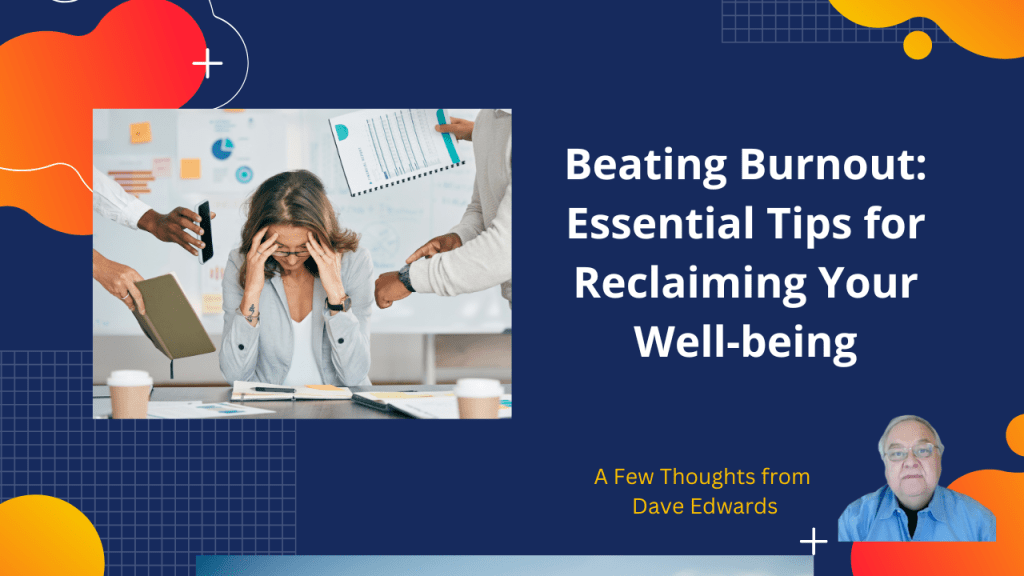
Burnout is a complex issue that extends beyond overwork or juggling multiple tasks. While these factors contribute to burnout, its roots often lie deeper in the lack of control over job execution and conflicts between tasks and personal values. The resulting cynicism, depression, and lethargy are indicative of a more profound misalignment between one’s work and their sense of self. Moreover, pursuing goals that lack personal resonance or working without adequate support can exacerbate burnout, leading to a host of physical and mental health issues.
Research identifies three primary components of burnout: emotional exhaustion, depersonalization, and a reduced sense of personal accomplishment. Emotional exhaustion is often seen as an inability to concentrate, increased irritability, and sleep disturbances. Depersonalization leads to isolation from colleagues, clients, and others, creating a barrier to meaningful interaction. A diminished sense of personal accomplishment results in decreased productivity and a perception of poor performance.
Recognizing these symptoms is crucial, as ignoring them can lead to serious health consequences, including coronary disease, hypertension, anxiety, and substance misuse. Therefore, addressing burnout requires a proactive approach to replenish mental resources, prevent further depletion, and build positive future resources.
If you suffer from burnout, there are some things you can do:
1. Prioritize Self-Care: Self-care is fundamental in replenishing personal resources. This involves analyzing one’s current situation to identify contributing factors to burnout. Reducing exposure to stressors, whether by delegating tasks or reducing workload, is essential. Perfectionism should be reassessed, focusing instead on activities that bring joy and hold the highest value.
2. Reframe Your Mindset: Shifting one’s perspective can minimize the negative effects of burnout. Reminding yourself of the reasons behind their roles can help reframe the situation positively. For instance, you can focus on the rewarding aspects of your responsibilities, which can counterbalance feelings of frustration and stress.
3. Make Time for Self-Care: Implementing self-care practices, even in small increments, can significantly impact one’s well-being. This could include brief daily activities such as gratitude practices or guided visualizations. Ensuring adequate sleep, a balanced diet, and regular exercise are foundational self-care practices that support mental and physical health.
4. Ask for Help: Communicating one’s struggles to bosses, coworkers, or family members can open avenues for support. Being specific about the help needed, whether for daily chores or work-related tasks, can alleviate the burden. Self-sacrifice should be minimized as it often exacerbates burnout.
5. Maintain a Social Life: Engaging with family and friends provides emotional support and a reprieve from stress. Creating time for social interactions, rather than waiting for free time to appear, is crucial. This social engagement can serve as a valuable outlet for relaxation and enjoyment.
6. Set Boundaries: Establishing clear boundaries between work and personal time is vital. This might involve creating dedicated personal spaces free from work-related concerns and intentionally disconnecting from work or caregiving responsibilities. Learning to say no to additional commitments can also help in managing workload and preventing burnout.
If you are are dealing with burnout you can also consider seeking out the help from support groups, used guided meditation apps or seeking therapy.
 Dave Edwards Media